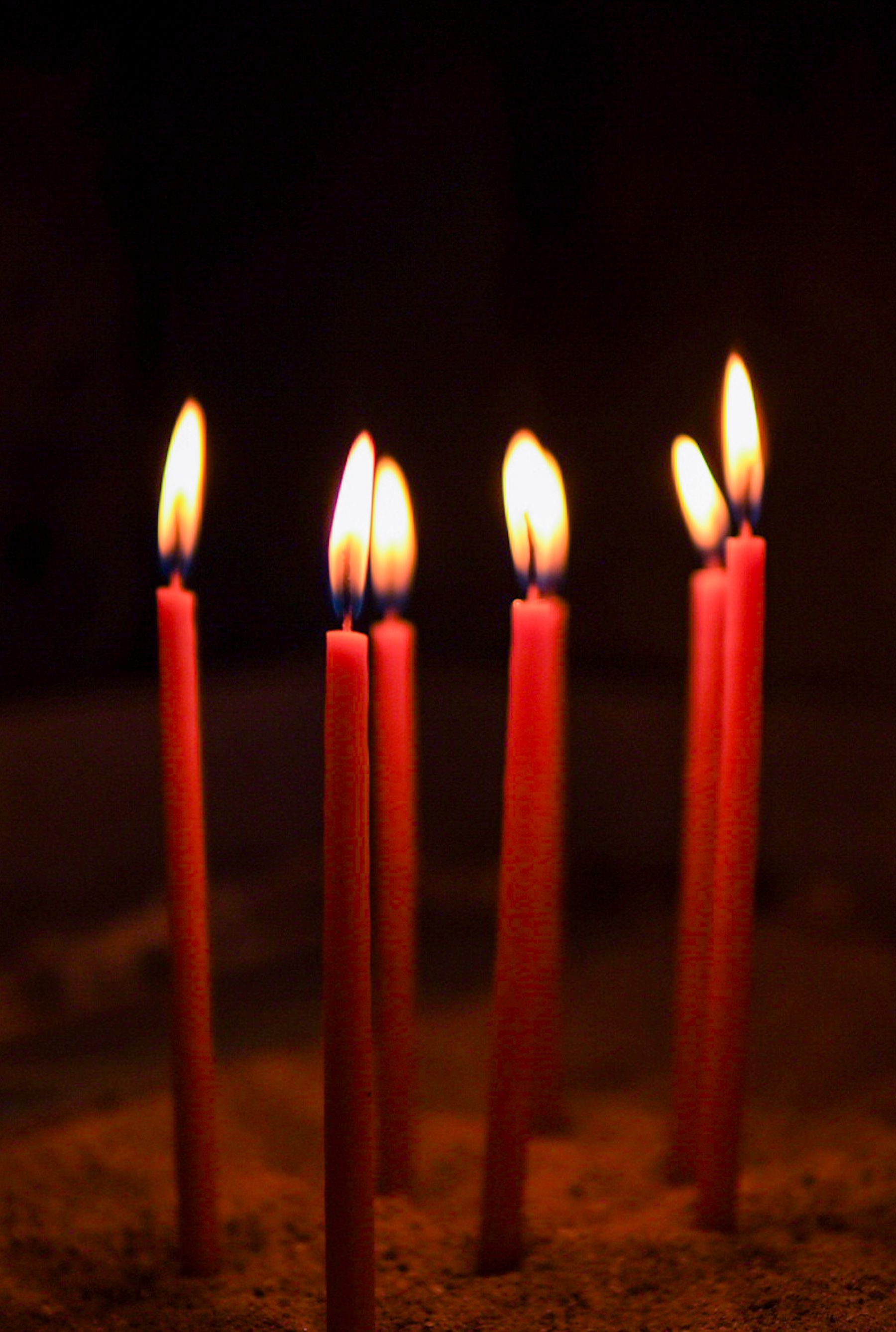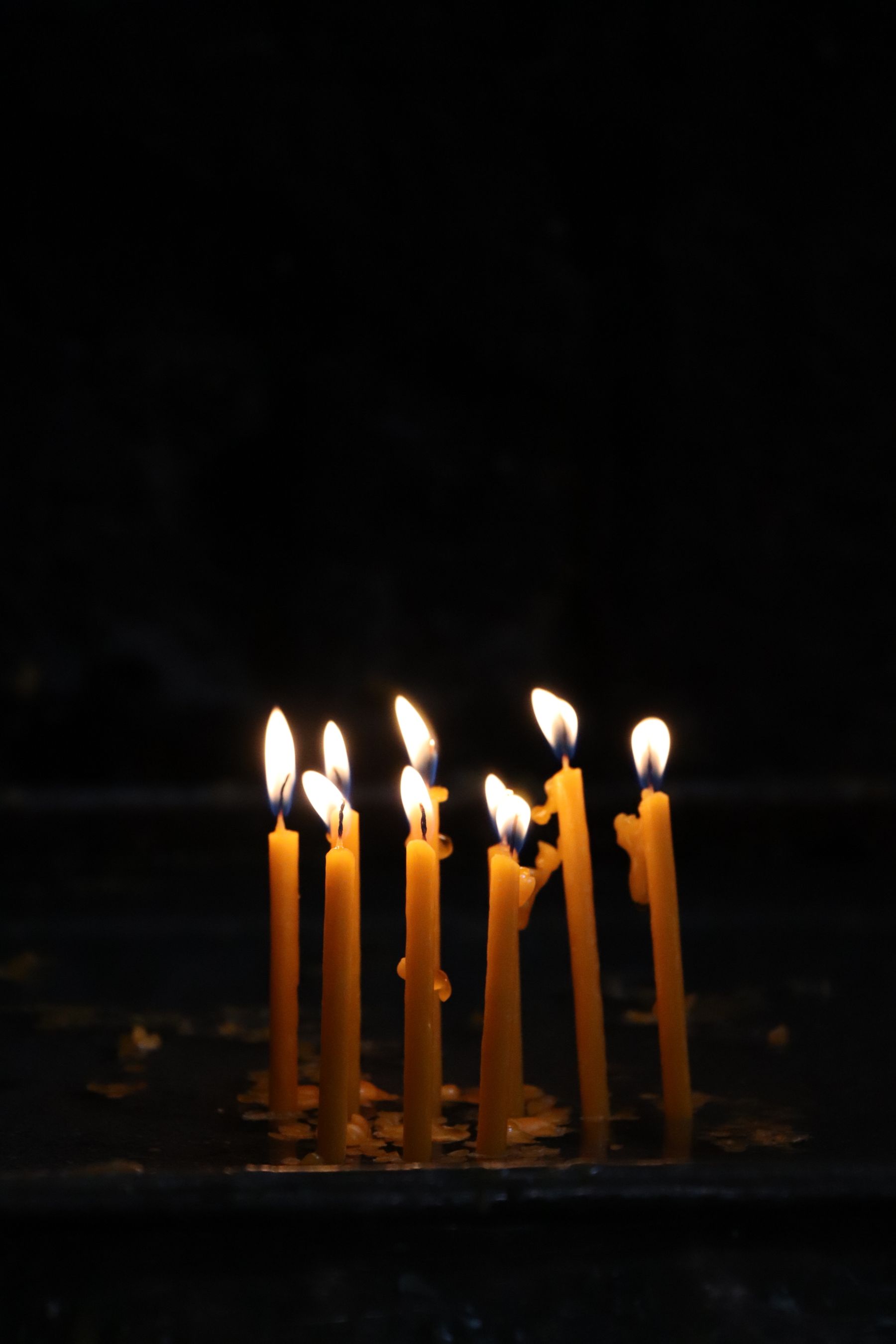
A simpatia is a small, precise, entirely unsupervised spell. Tie a red ribbon around a glass of water and leave it behind the door for three days. Write the name on paper, fold it toward you, put it in the freezer. Say the prayer to Santo Antônio, then turn his statue upside down until he produces the missing keys.
No priest, no initiation, no theology. Just instructions.
Folk magic as a recipe format
The word means “sympathy” in the old magical sense — like affects like — but the cultural form is closer to a recipe. Simpatias are transmitted the way recipes are: by aunts, by neighbours, by cheap newsprint booklets sold at bus terminals, and now overwhelmingly by screenshot.
Their structure is remarkably consistent. A short list of ordinary household items. An exact number, usually three, seven, or nine. A defined duration. A specific disposal instruction — bury it, run it under water, throw it into a crossroads. And a target so mundane it is almost funny: a job interview, a landlord, a persistent cough, a man who will not call.
"No priest, no initiation, no theology. Just instructions."
Three inheritances in one practice
Brazilian folk magic is a genuine synthesis rather than a layering. The saints, the prayers, and the numerical structure come from Iberian folk Catholicism. The plant knowledge and much of the bathing and smoking practice comes from Indigenous and Afro-Brazilian traditions. The candle, the crossroads, and the offering come substantially from the African religious matrix that also produced Candomblé and Umbanda.
What makes simpatias distinct from those religions is precisely that they are unaffiliated. A person who attends mass weekly, has never entered a terreiro, and describes themselves as not superstitious will still put the paper in the freezer. That gap between stated belief and performed practice is the most interesting thing about the whole category.
Simpatias circulate outside religious authority. Practices belonging to Candomblé or Umbanda are not simpatias, are not public property, and should not be repackaged as household tips.
Why they survive modernization
Every prediction that folk magic would disappear with literacy, urbanization, or the internet has been wrong, and the internet in particular has made simpatias more widespread, not less. The format is perfectly suited to social media: short, visual, copy-pasteable, testable, and low-stakes.
There is also a pragmatic reading. Simpatias address the exact category of problem where a person has real stakes and no leverage — waiting on a decision made by someone else. In those situations, doing something structured is psychologically preferable to doing nothing, and the cost of a ribbon and a glass of water is essentially zero.
The Brazilian tone of it
What separates simpatias from grimoire magic is the absence of grandeur. Nobody is commanding spirits. The register is domestic, slightly humorous, and comfortable with its own absurdity — turning a saint upside down is an act of affectionate blackmail, not sorcery.
That tone is why the practice refuses to die. It never asked to be believed. It only asked to be done.
Presented as cultural documentation, not instruction or endorsement. Simpatias are not a substitute for medical, legal, or financial help.